
World Challenges | Environment & Conservation
The Silence Before the Storm
There is a word that scientists use when they want to describe what is happening to life on Earth right now. Not a metaphor, not a headline — a precise biological term. They call it the Sixth Mass Extinction. Five times in the history of our planet, a catastrophic event — an asteroid, volcanic eruptions, a shift in climate — wiped out the majority of species on Earth. We are living through the sixth. And this time, the cause is not a space rock. It is us.The toll of this environmental degradation extends beyond wildlife, acting as a hidden driver in the global mental health crisis.
Nearly one million plant and animal species are now threatened with extinction — many within the coming decades. The IUCN Red List, the world’s most authoritative measure of species health, currently includes 169,420 assessed species, of which 47,187 are threatened with extinction. Among birds alone, 61% of reassessed species now show declining population trends, up sharply from 44% in 2016. More than 10,000 species are classified as critically endangered — one step from gone forever. Some 1,500 of those critically endangered species are estimated to have fewer than 50 mature individuals remaining in the wild.
But here is the part of the story that rarely makes the headlines: nature can come back. Given space, time, and a helping hand, ecosystems that seemed irreparably destroyed have restored themselves with breathtaking speed and richness. A movement is rising — one that does not merely protect what remains, but actively heals what has been lost. It is called rewilding. And in 2026, it is reshaping our understanding of what is possible for life on Earth.
The Challenge — A World Unravelling
To understand the biodiversity crisis, you have to understand what drives it. It is not one villain but five, acting together in a cascade of destruction that has been accelerating since the Industrial Revolution.
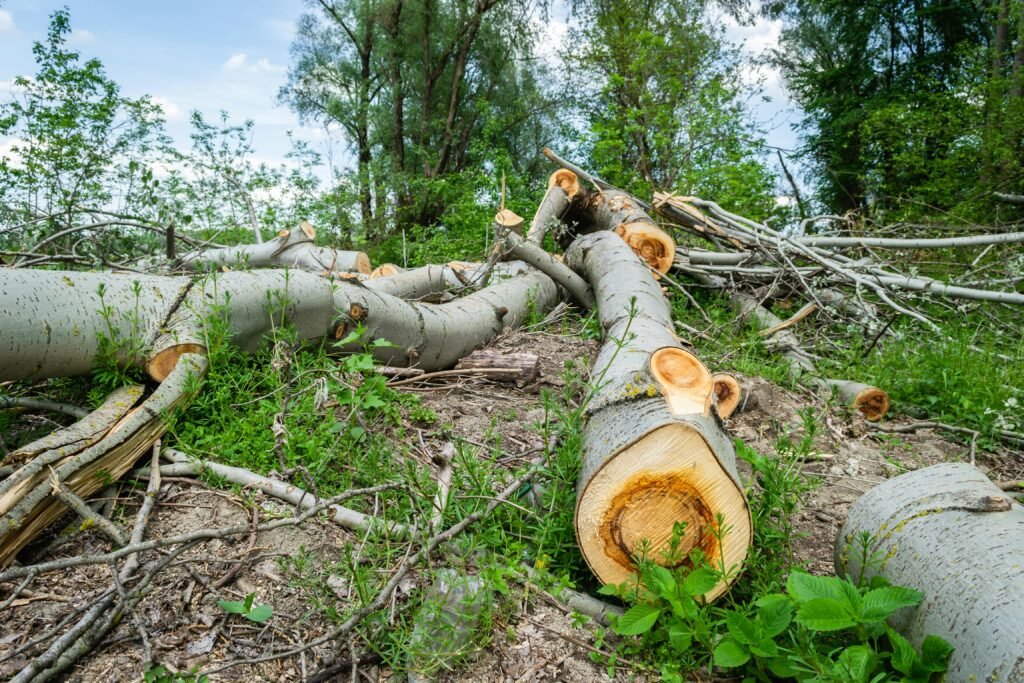
Habitat destruction is the largest driver, accounting for 85% of species extinctions worldwide. Deforestation removes more than ten billion trees every year, shrinking habitats into fragments too small to sustain genetically healthy populations. As landscapes break apart, isolated species suffer from inbreeding, losing genetic diversity and growing increasingly vulnerable to disease and climate stress. Coral reefs — one of Earth’s most biodiverse ecosystems — have experienced catastrophic decline, with nearly 50% disappearing since 1950. Humans have already altered 70% of Earth’s ice-free land, mostly converting it to agriculture or urban development.
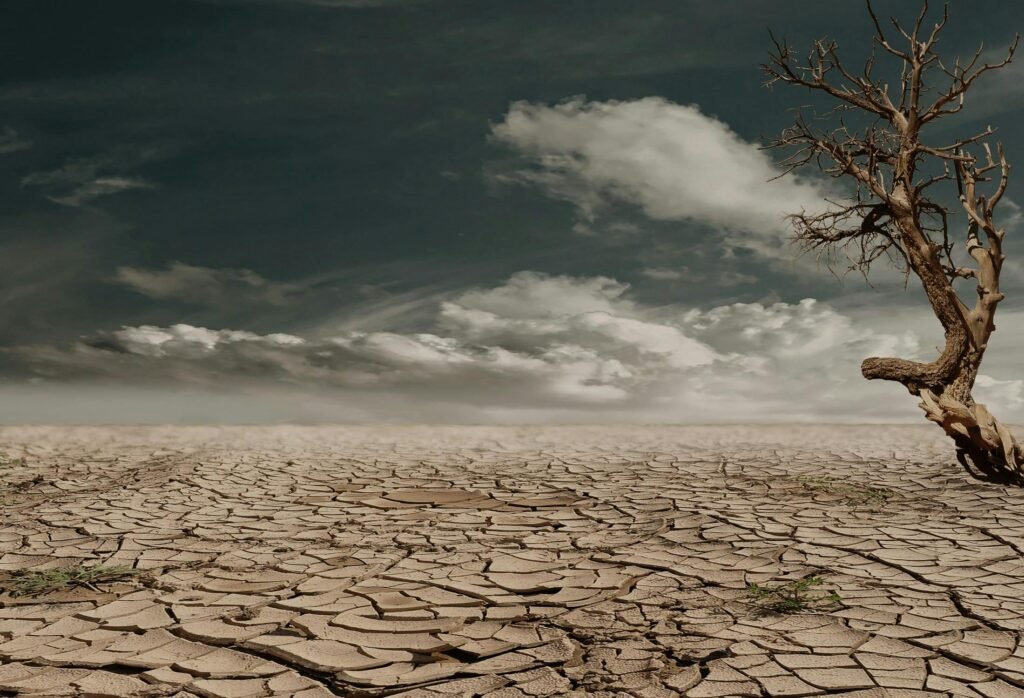
Climate change is the accelerating factor that transforms a serious crisis into a potentially catastrophic one. A study published in Global Change Biology estimated that an additional 17% of Earth’s species could be lost as a direct result of climate change alone, as habitats shift faster than species can migrate, and weather patterns become too extreme and unpredictable for ecosystems adapted over thousands of years.
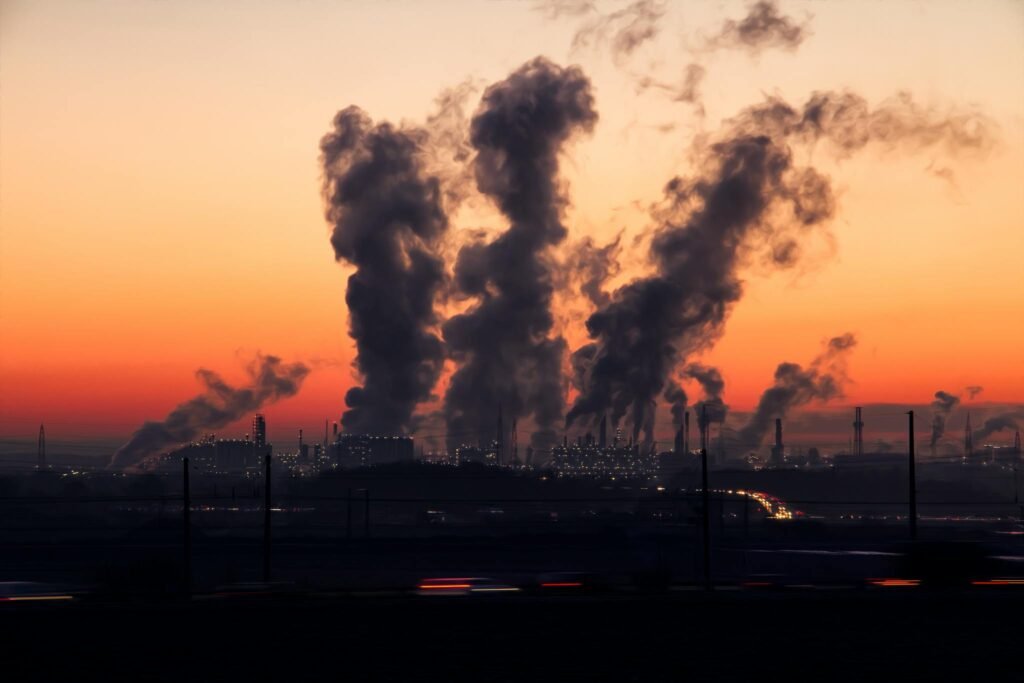
Pollution is quietly devastating the smallest and most critical members of ecosystems. Microplastics and agricultural chemicals have contributed to a 70% loss in insect biomass — the foundation of most terrestrial food chains. Without insects, pollination fails. Without pollination, global food production collapses. Pollination services alone contribute $577 billion annually to the global food supply; the silent disappearance of bees, butterflies, and beetles is not just an ecological tragedy — it is an economic time bomb.

Overexploitation of wild species adds another layer of devastation. More than one-third of global fisheries have collapsed. Tens of thousands of elephants are poached every year. In Asia, several vulture species lost 90% or more of their populations in shockingly short time frames. In the 20th century alone, animals disappeared at a rate 30 to 120 times that of any other point in the last 66 million years.
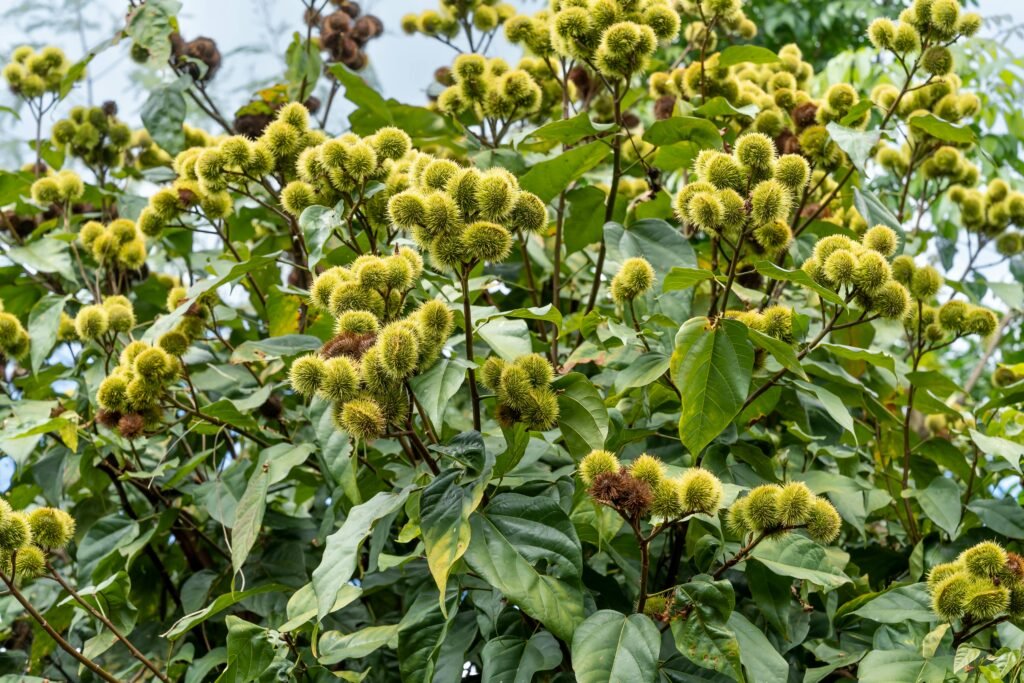
Invasive species, spread by globalization and trade, are outcompeting native species on every continent. Roughly 40% of IUCN-listed threats involve invasive organisms, each altering food webs at alarming speed.
The economic cost of allowing this collapse to continue is staggering. The biodiversity crisis could cost the global economy $10 trillion annually by 2050, mainly through crop failures, fisheries collapse, and ecosystem degradation. Up to half of global GDP depends on natural systems. Biodiversity loss is no longer merely an environmental issue — it is a developmental, economic, security, social, and moral crisis rolled into one.
The Solutions—Giving Nature Room to Heal
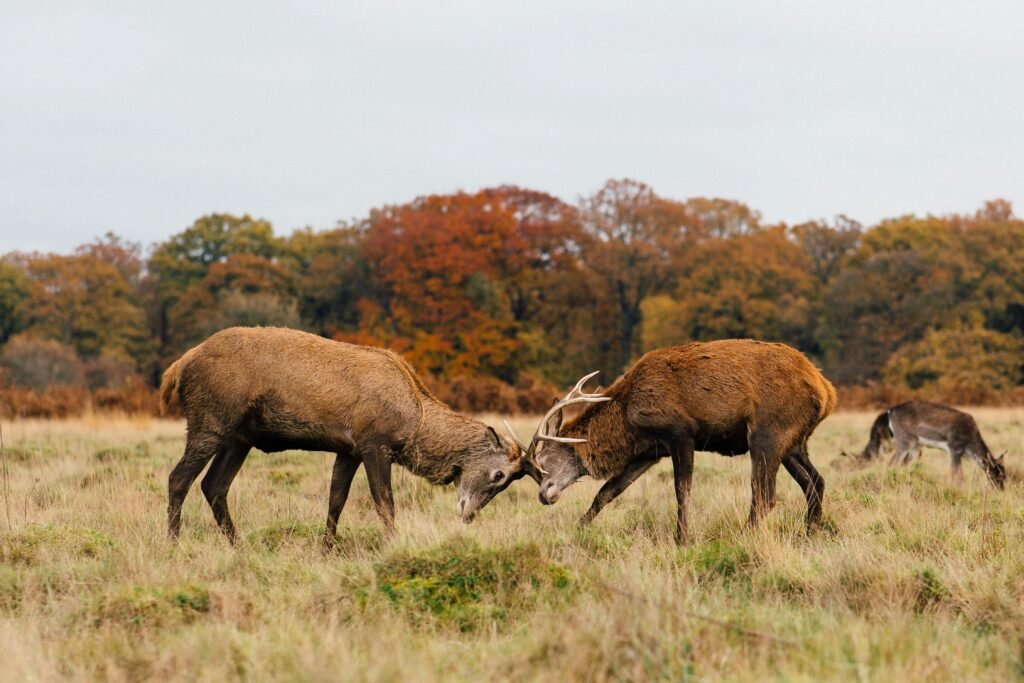
In 1995, wildlife managers released 14 gray wolves into Yellowstone National Park, a place they had been absent from for 70 years. What happened next became one of the most studied and celebrated ecological events in modern science. The wolves changed everything — not just because they hunted deer and elk, but because they changed the behavior of those animals. Elk, now wary of predators, stopped lingering in valleys and along riverbanks, allowing vegetation to recover in those areas. Trees and shrubs grew back. Riverbanks stabilized. Beavers returned because there were now trees for dams. Songbirds returned because there were now nesting sites. Fish populations grew because the rivers ran cleaner with stabilized banks. Foxes, eagles, and badgers all increased. The wolves had triggered what scientists call a “trophic cascade” — a chain reaction of recovery that rippled through five levels of the ecosystem and improved biodiversity by 300%.
That moment in Yellowstone planted the seed of the modern rewilding movement. Rewilding is the large-scale restoration of natural processes — allowing ecosystems to take care of themselves once more, by reintroducing missing species, removing barriers to natural flows, and stepping back. It stands in deliberate contrast to the older model of conservation, which focused on managing nature intensively to prevent decline. Rewilding trusts nature’s own intelligence.
In Europe, the movement has exploded in scale and ambition. Rewilding Europe, working across a network of landscapes from the Scottish Highlands to the Danube Delta, spent 2025 removing dams to reconnect rivers, setting forests and grasslands on journeys towards renewal, and supporting the comeback of species ranging from cinereous vultures to European bison to Sorraia horses. In the Affric Highlands of Scotland, rewilding is healing landscapes through the regeneration of ancient pinewoods, the rewetting of peat bogs, and the restoration of riverside woodland — creating a recovering habitat across more than 200,000 hectares that will benefit golden eagles, red squirrels, black grouse, Atlantic salmon, ospreys, and otters.
In South Africa, the Samara Karoo Reserve has become a celebrated symbol of what rewilding can achieve in Africa. The reintroduction of lions and cheetahs has had far-reaching effects: herbivore populations are now better managed through natural predation, carcasses support scavenger communities like jackals and vultures, and the entire ecosystem has shifted toward greater health and resilience. Since the predators returned, wildebeest are reproducing at faster rates, which scientists attribute to the behavioral changes that occur when prey animals live alongside predators.
In Brazil, Project Refauna is rewilding Rio de Janeiro’s Tijuca National Park — a fragment of Atlantic Forest in the heart of one of the world’s great cities — reintroducing agoutis, tortoises, and other native species that had been hunted to local extinction. The restoration of Tijuca, once a patchwork of depleted plantation land, into a functioning fragment of Atlantic Forest is one of the greatest urban conservation stories in history.
In the UK, beavers — absent for centuries after being hunted to extinction — have been reintroduced to rivers across England and Wales since 2021. These “ecosystem engineers” are transforming riverine habitats with extraordinary speed: building dams that slow water flow, create wetlands, filter pollution, reduce downstream flooding, and provide habitat for hundreds of species of insects, fish, amphibians, and birds. The beaver’s return is proving to be one of the most cost-effective nature restoration tools available — doing in months what would take human engineers years and millions of pounds to achieve.
Innovation — The New Science of Bringing Life Back
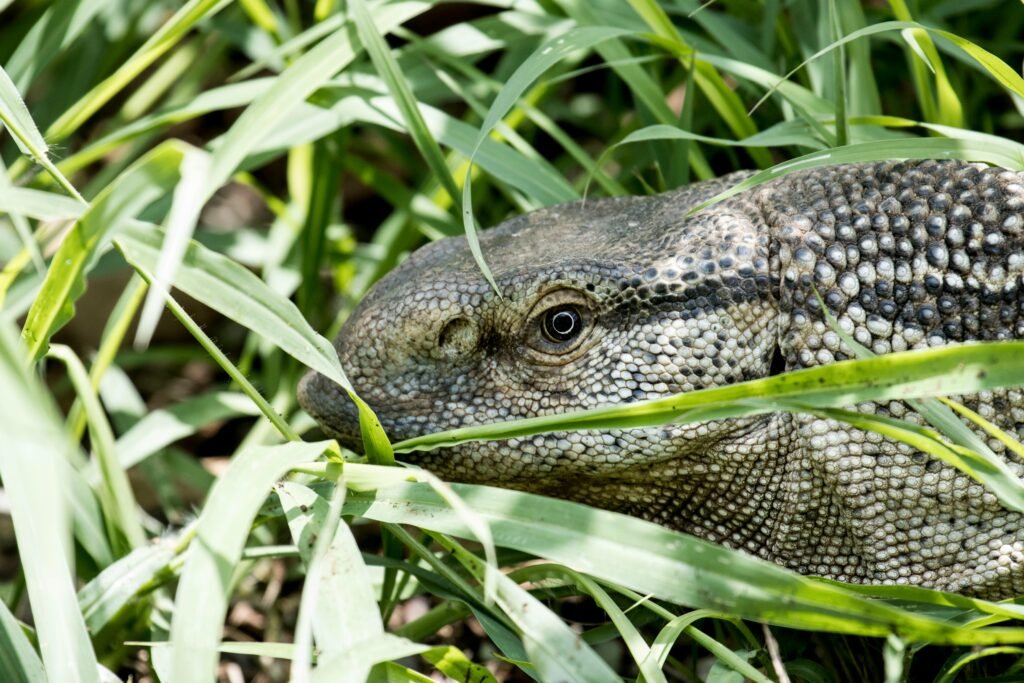
The rewilding movement is being turbocharged by a wave of technological and scientific innovation that is making restoration faster, more targeted, and more effective than ever before.
eDNA and Biodiversity Monitoring. Environmental DNA — fragments of genetic material shed by animals into soil, water, and air — can now be collected from a river or forest and analyzed to produce a comprehensive inventory of every species present, without a single animal being seen. This technology has revolutionized our ability to measure biodiversity, track the success of restoration projects in real time, and detect the presence of rare or critically endangered species before it is too late to act.
AI-Assisted Conservation Planning. Artificial intelligence is transforming the strategic planning of rewilding projects. Machine learning algorithms can analyze satellite imagery, climate models, land ownership data, and species distribution records to identify the highest-priority areas for restoration — the landscape corridors that would deliver the greatest biodiversity benefit per dollar invested. In the Amazon, AI systems are being used to detect illegal deforestation within hours of it occurring, enabling rapid response before damage becomes irreversible.
De-extinction and Genetic Rescue. The most frontier edge of conservation innovation involves using genetic technology to rescue species on the edge of extinction — and in some cases, to bring back species that have been lost entirely. The Colossal Foundation, launched in recent years, is working on the de-extinction of the woolly mammoth, arguing that its return to the Siberian steppe could restore degraded grassland ecosystems and lock up billions of tonnes of carbon. More immediately practical is genetic rescue — breeding programs that deliberately introduce genetic diversity from other populations to prevent inbreeding collapse in critically endangered species with fewer than 50 individuals remaining.
Community-Based Rewilding. One of the most important insights of the modern rewilding movement is that nature recovery cannot succeed without the full participation of the communities that live alongside it. In Indonesia, the traditional practice of lubuk larangan — community-managed river sanctuaries where fishing is prohibited for periods of time — has been shown to dramatically recover fish populations and restore riverine biodiversity. In Scotland’s Affric Highlands, rewilding is being driven by a coalition of landowners, residents, businesses, and community organisations, who recognize that a wilder landscape is also a more economically vibrant one — through ecotourism, carbon markets, and sustainable land management.
Rewilding and Climate. One of the most compelling findings driving investment in rewilding is its potential as a climate solution. Healthy ecosystems are powerful carbon sinks. Restoring peatlands, forests, wetlands, and coastal seagrass meadows locks up vast quantities of carbon dioxide while simultaneously boosting biodiversity and water quality. In Scotland, the rewetting of degraded peat bogs in the Affric Highlands is simultaneously restoring bog habitats for rare plants and birds while capturing carbon. Research shows that nature-based solutions — including rewilding — could contribute up to 30% of the emissions reductions needed to keep global warming below 1.5°C.
Human Stories — Rewilders Who Changed the World
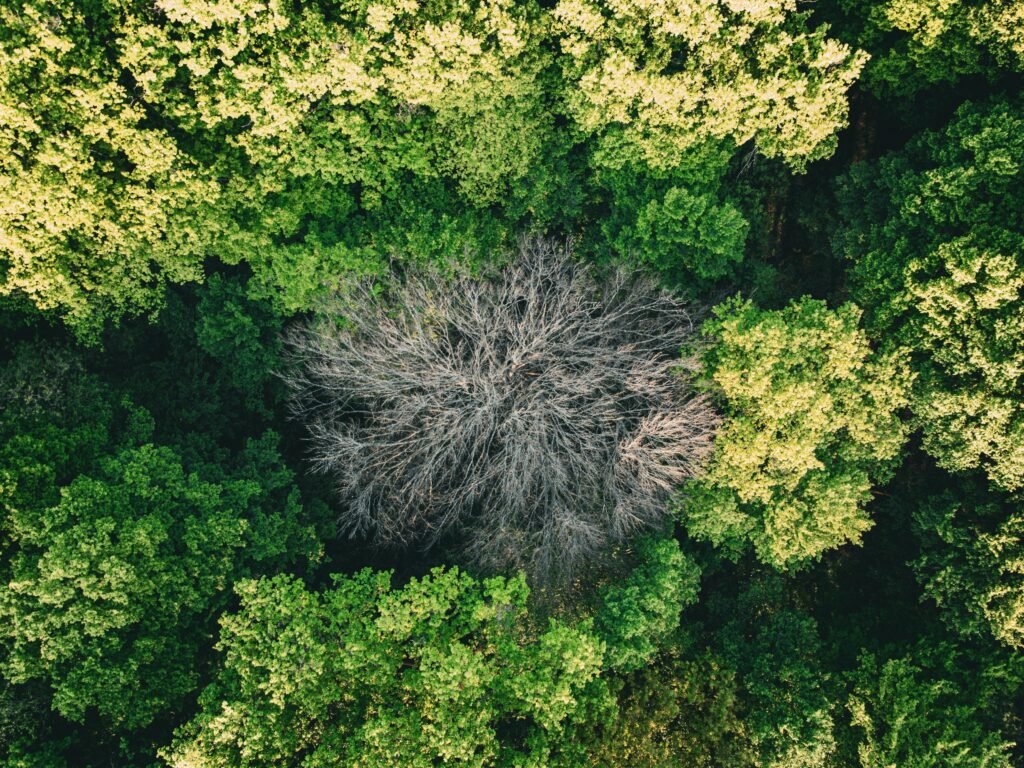
Behind every recovering species, there is a person who refused to give up.
In Portugal, conservationists have spent years working to secure the recovery of the cinereous vulture — the largest bird of prey in the Old World, with a wingspan of almost three metres. Once extirpated from much of Europe, the species has made a slow but remarkable comeback thanks to the recovery of its Spanish stronghold, supplemented by reintroduction programs in Portugal and France. In 2026, these giant birds are once again soaring over landscapes that had not seen them in living memory.
In South America, Kris Tompkins — former CEO of Patagonia and co-founder of Tompkins Conservation — has dedicated decades and hundreds of millions of dollars to rewilding the wild fabric of South America through connecting corridors from the tip of Patagonia to the headwaters of the Amazon. Her vision is continental in scale: a patchwork of protected areas, rewilded corridors, and restored ecosystems that allow species to move, adapt, and thrive across an entire hemisphere.
In India, the Wildlife Conservation Trust celebrated a remarkable milestone in 2024: the successful reintroduction of the tenth rehabilitated female pangolin into Pench Tiger Reserve, with the fifth female confirmed to have raised a pup in the wild. Pangolins are the world’s most trafficked mammal, poached in enormous numbers for their scales and meat. Each successful reintroduction and each pup born in the wild is a small victory against a tide of illegal trade.
In the Sahara, the historic return of the scimitar-horned oryx to the Sahel — a species declared extinct in the wild in 2000 — was celebrated as a symbol of global unity in 2026. Through an international collaboration involving zoos, governments, and conservation organizations across Africa, Europe, and North America, a species that existed only in captivity has been returned to the landscapes where it evolved. Herds of oryx now roam the Chadian savanna for the first time in a generation.
In the cities of London, Madrid, Lagos, Marrakesh, and Manchester, a remarkable art project called THE HERDS moved through the streets in 2025 — life-size puppet animals representing species fleeing climate disaster, created to remind millions of urban dwellers that the biodiversity crisis is not happening somewhere else, to someone else. It is happening now, to us all.
The Hope — A Wilder Future Is Already Beginning
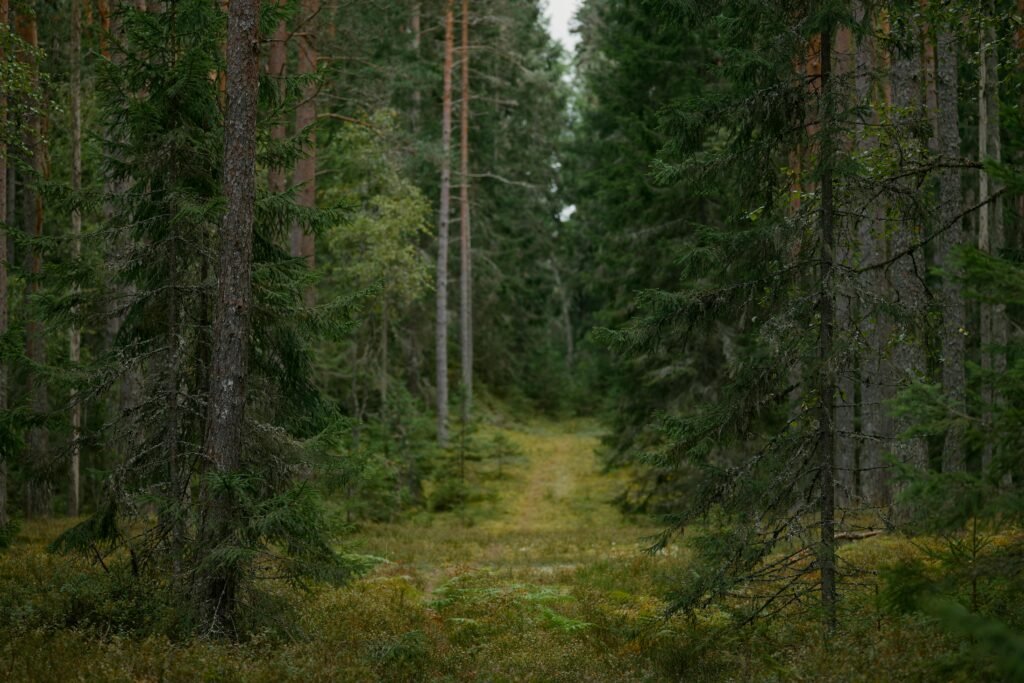
The momentum behind the global rewilding movement in 2026 is undeniable, and the science behind it is increasingly robust.
Rewilding Europe continues to grow its network of landscapes across the continent, with new projects accelerating in 2026 following landmark work in Ukraine’s Danube Delta, Croatia’s Lika Plains, and Scotland’s Affric Highlands. The Global Rewilding Alliance is connecting rewilders across every continent, sharing knowledge, funding, and inspiration. The 2026 International Year of Rangelands and Pastoralists is creating new opportunities to scale up rewilding in some of the world’s most ecologically important grassland systems.
The economic case for rewilding is growing stronger every year. Ecotourism built around recovering wildlife is generating revenues for communities across southern Africa, Eastern Europe, and South America that in many cases exceed what conventional agriculture or extraction could provide. Carbon markets are creating financial rewards for landowners who restore peatlands, forests, and wetlands. Insurance companies are beginning to recognize that intact ecosystems reduce flood and drought risks — and are beginning to price their premiums accordingly.
Most powerfully, the science is delivering a clear message: rewilding works. The wolves of Yellowstone proved it on a national stage. The beavers of England are proving it in rivers across the country. The vultures of Iberia are proving it in the skies over Southern Europe. The return of the scimitar-horned oryx to the Sahara is proving it on a continent.
What was once a fringe idea — the notion that we should not just protect nature but actively return it to health — is now recognized by governments, international institutions, and millions of citizens as one of the most powerful tools we have to address the twin crises of biodiversity loss and climate change simultaneously.
Conclusion: The World That Could Be
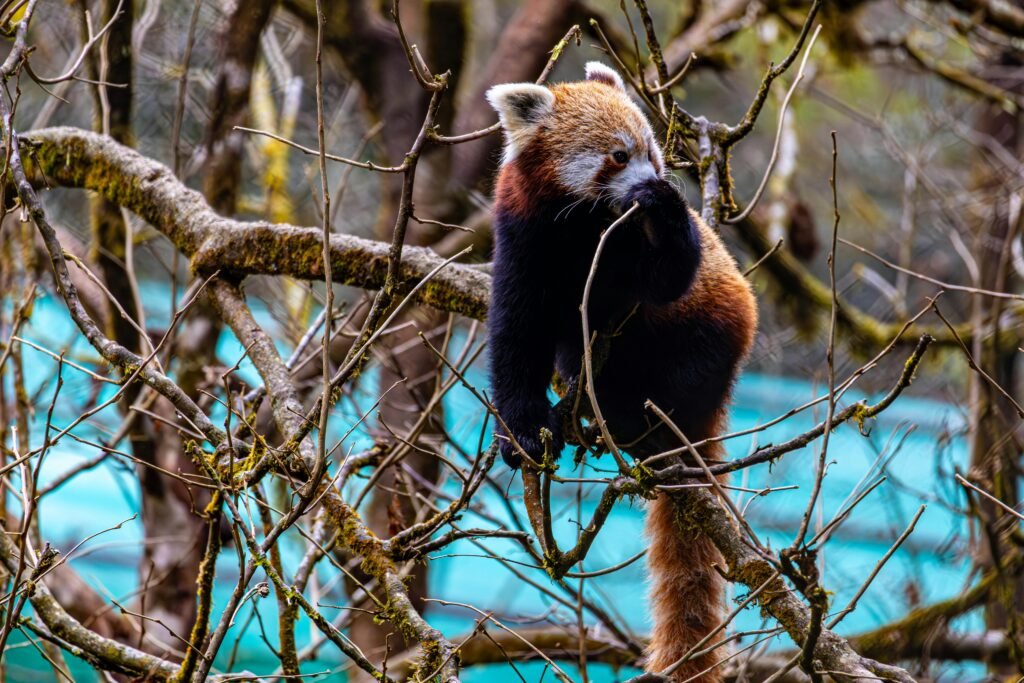
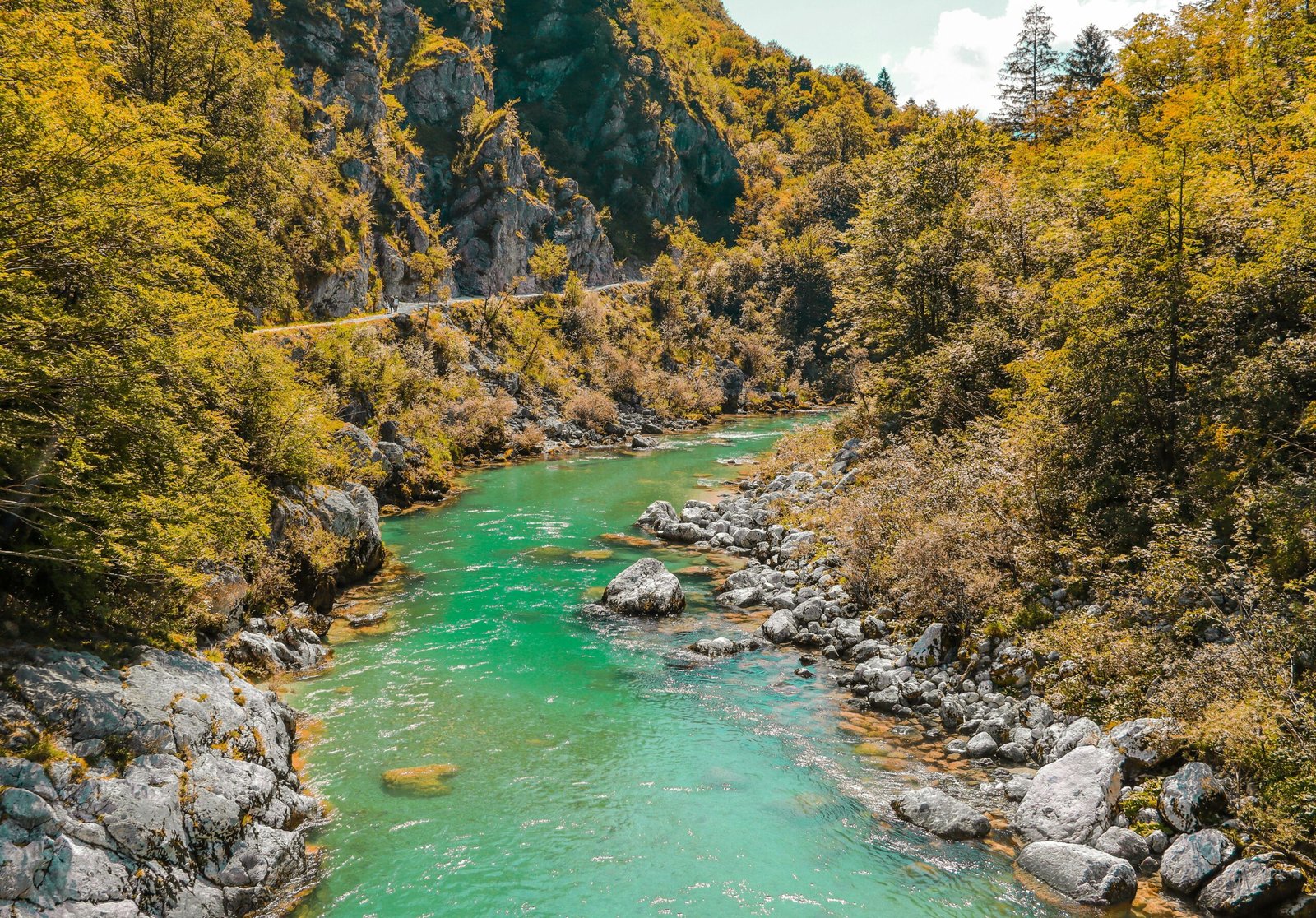
There is a scene that wildlife biologists describe when they talk about the future they are working toward. It is a landscape where rivers run clear and full, where ancient forests filter the air and hold the earth, where predators and prey exist in the dynamic, self-regulating balance that sustained ecosystems for millions of years before human disturbance. A landscape where children can grow up knowing wolves and eagles and whales — not as creatures they read about in extinct-species books, but as living neighbors sharing a living planet.
That world is not a fantasy. In Yellowstone, you can watch it happening. In Scotland’s river valleys, you can see it beginning. In the skies of Portugal, you can watch it soar on a wingspan of three metres. In the grasslands of Chad, you can see it running across the sand.
The biodiversity crisis is real, and it is serious. But the rewilding movement is demonstrating, one ecosystem at a time, that collapse is not destiny. Nature is astonishingly resilient. Given half a chance, it comes back.
Our task — as individuals, communities, nations, and as a species — is simply to give it that chance.
This article is part of the World Challenges series, exploring the most pressing global challenges of our time and the solutions being built to meet them. Next in the series: Record Food Insecurity vs. Regenerative Agriculture.
Sources & Further Reading:
- IUCN Red List: 60 Years of Success Report (October 2025)
- Mongabay: More Than 10,000 Species On Brink of Extinction (July 2025)
- Global Rewilding Alliance: The Wild Side of 2025 (December 2025)
- Rewilding Europe: Rewilding Highlights 2025 (December 2025)
- Yale Climate Connections: Where Have All The Species Gone? (January 2025)
- One Earth: Six Global Rewilding Success Stories
- Rewilding Magazine: Top Rewilding Stories of 2025 (December 2025)
- Science Times: Global Biodiversity Crisis (December 2025)
- Journeys With Purpose: Animal Conservation Success Stories (November 2025)
- State of India’s Environment 2026: Climate Change Threatens 8,000 Species
xmrrveldniiurwtnfmleuykwiljeky