

World Challenges | Food Security & Agriculture
A World That Produces Enough, Yet Starves Millions
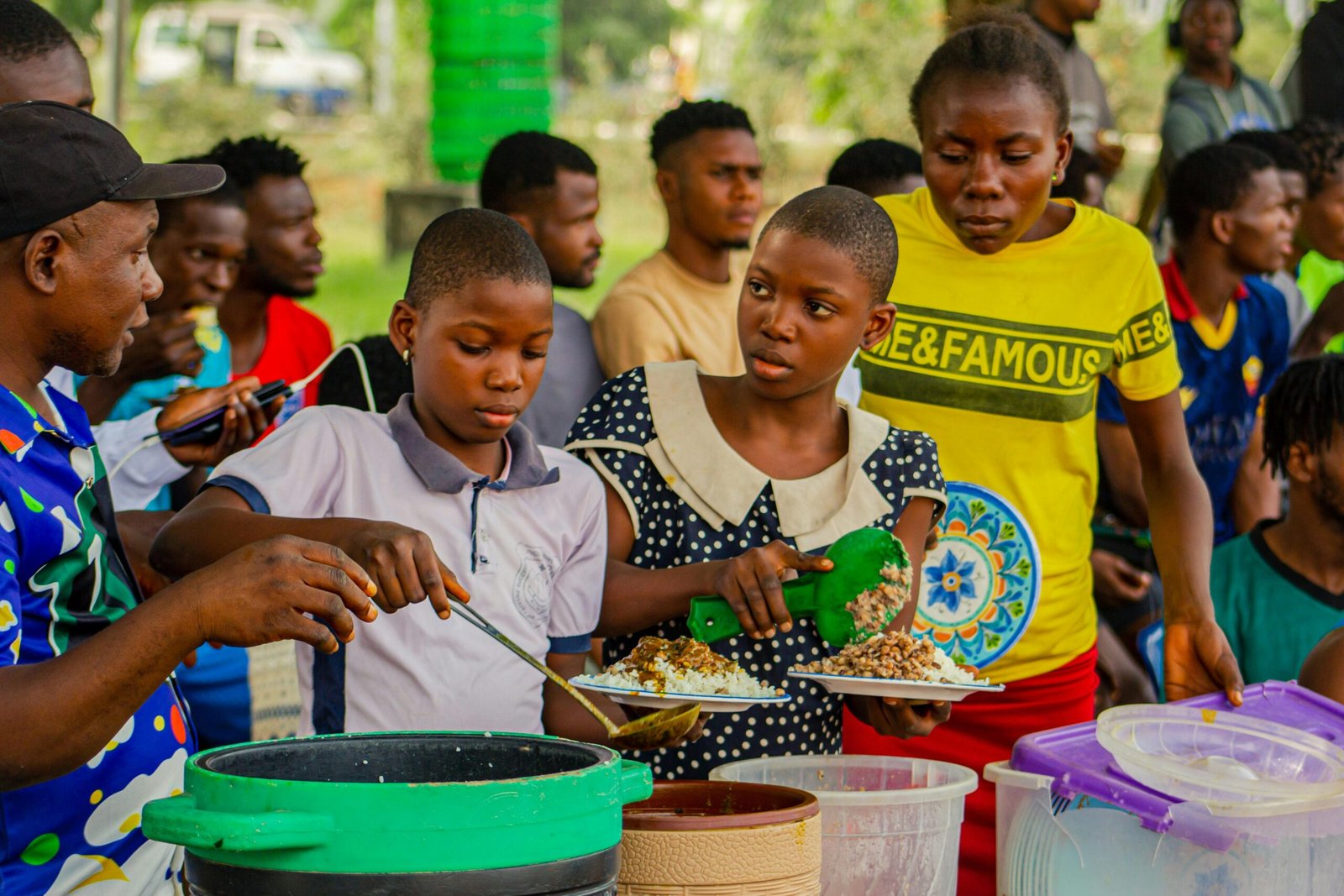
Here is one of the most painful paradoxes of our time: the world produces more than enough food to feed every person on the planet. Global agricultural output has never been higher, even as the world faces an unprecedented global water bankruptcy. Supermarket shelves in wealthy nations overflow with abundance. Yet on April 24, 2026, the Global Report on Food Crises — the most authoritative annual assessment of world hunger — delivered its starkest finding in a decade of reporting. Acute hunger has doubled over the past ten years. Two famines were declared simultaneously in 2025 — the first time in the history of modern famine monitoring that two countries have been in famine at the same time.
The numbers are not statistics. They are people. An estimated 318 million people faced crisis levels of hunger or worse in 2026, double pre-pandemic levels. In 2025 alone, 35.5 million children were acutely malnourished — including nearly 10 million suffering from severe acute malnutrition, a life-threatening condition so extreme that ordinary childhood illnesses can become fatal. In six countries and territories — Haiti, Mali, Gaza, South Sudan, Sudan, and Yemen — populations faced catastrophic conditions, the most severe classification in the global hunger monitoring system. The number of people in that worst category is now nine times higher than it was in 2016. And yet — this crisis is not inevitable. It is not written in the laws of nature or the limits of the Earth. It is written in the decisions of governments, the design of food systems, and the choices of farmers, businesses, and consumers. And increasingly, those decisions are changing — driven by a quiet revolution in how the world grows food, known as regenerative agriculture.
The Challenge — A Food System Built on Borrowed Time
The global food system as it exists today is, in many ways, a triumph of the 20th century. The Green Revolution of the 1960s and 1970s dramatically increased crop yields through new seed varieties, synthetic fertilizers, and irrigation, pulling hundreds of millions of people out of hunger. For decades, the formula worked.
But it came with a cost that is now coming due — in the form of degraded soils, depleted aquifers, collapsed ecosystems, and a food system that is dangerously exposed to the shocks of a changing climate.
The primary drivers of today’s hunger crisis are well documented. Conflict remains the dominant force, accounting for more than half of all people facing severe hunger in 2025. Ten countries alone — Afghanistan, Bangladesh, the Democratic Republic of the Congo, Myanmar, Nigeria, Pakistan, South Sudan, Sudan, the Syrian Arab Republic, and Yemen — account for two-thirds of all people facing high levels of acute food insecurity. In these places, farms are destroyed, supply chains shattered, and farmers displaced.
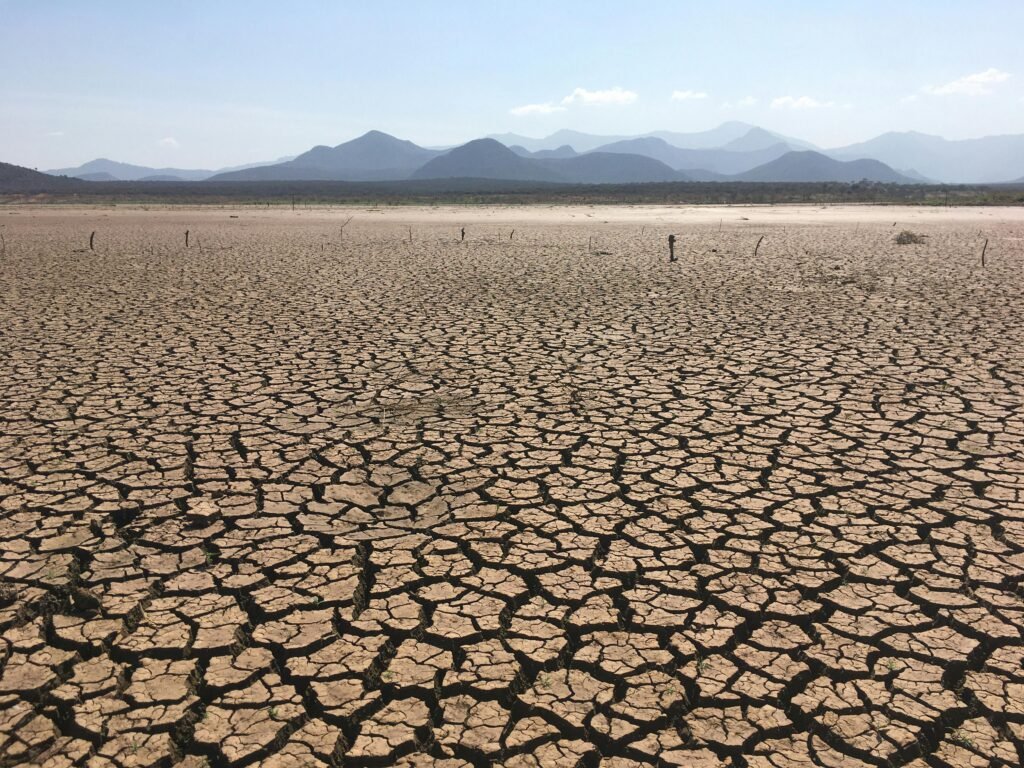
Climate shocks are the second major driver. Droughts, floods, and extreme heat are destroying harvests and livelihoods in ever greater numbers. Weather extremes were the primary driver of food insecurity in 16 countries in 2025, affecting 87.5 million people. La Niña conditions in 2026 are expected to bring flooding to some regions and drought to others, threatening harvests and livestock in pastoral areas across multiple continents.
Economic instability compounds both. Sluggish global growth, the lingering effects of the COVID-19 pandemic, the fallout from wars in Ukraine and the Middle East, and disruptions to global supply chains have kept food prices at crisis levels for low-income households worldwide. In the Middle East specifically, conflict risks disrupting oil and fertilizer flows through the Strait of Hormuz — a key artery for global agrifood supply — with the World Food Programme warning that escalation could push 45 million additional people into acute hunger by mid-2026.
But beneath these acute crises lies a deeper structural problem: the industrial food system itself is running on borrowed time. Decades of chemical-intensive farming have degraded the soil that all agriculture depends on. An estimated 25% of US agricultural acres show water-driven erosion concerns. Globally, topsoil — the thin layer of living earth that took centuries to form — is being lost to erosion, compaction, and chemical damage far faster than it can naturally regenerate. Agriculture uses more freshwater than any other sector, drawing down aquifers that cannot be replenished. The very system designed to feed the world is quietly destroying its own foundations.
The Solutions — Regenerating the Earth to Feed Its People
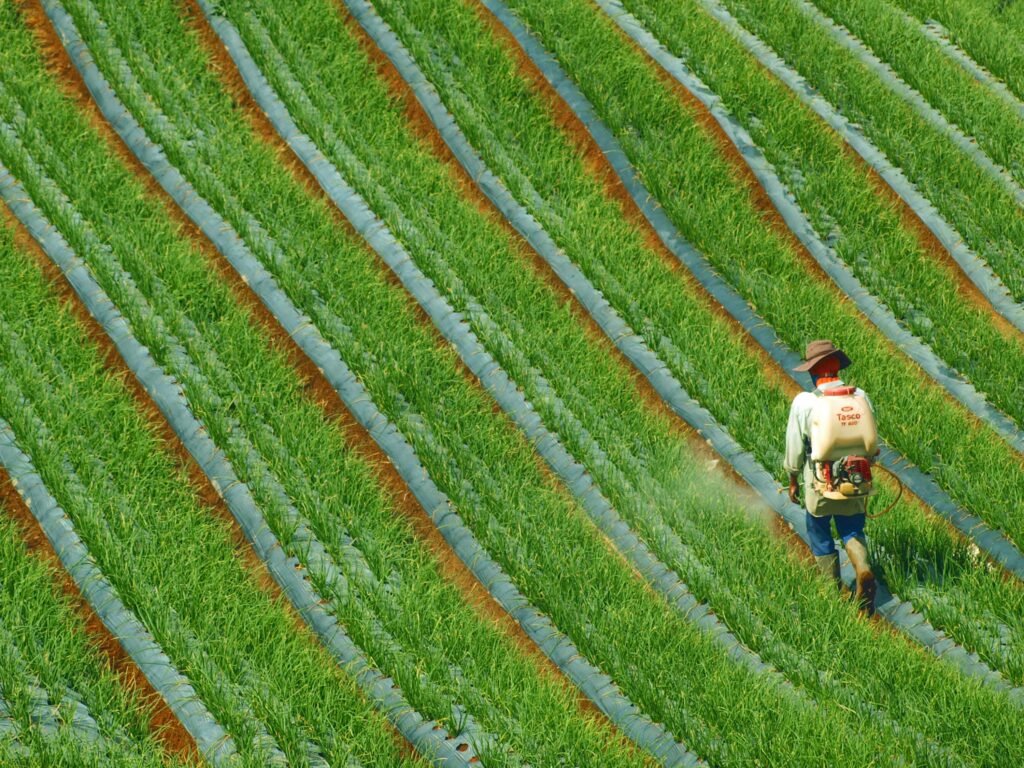
Regenerative agriculture is not a single technique. It is a philosophy — a fundamental shift in how farmers relate to the land they work. Where conventional industrial farming treats soil as an inert medium to be loaded with chemicals, regenerative farming treats soil as a living ecosystem to be nurtured. Where industrial farming specializes in single crops grown in vast monocultures, regenerative farming diversifies, rotates, and integrates — mimicking the complexity of natural ecosystems.
The core practices of regenerative agriculture include no-till or minimal-till farming, which preserves soil structure and the underground fungal networks that move water and nutrients between plants; cover cropping, which keeps living roots in the soil year-round to build organic matter and prevent erosion; composting and organic matter additions; diverse crop rotations that break pest cycles and restore soil biology; and the integration of livestock into crop systems in ways that fertilize the land and build soil carbon naturally.
The results, where regenerative practices have been implemented with commitment and support, are striking. In Colombia’s Boyacá region, a World Economic Forum Food Innovation Hub created a Centre of Excellence to support local producers with regenerative knowledge and tools. Through private sector collaboration, an early barley pilot achieved a 36% increase in productivity, demonstrating how regenerative practices can simultaneously improve both environmental outcomes and farm economics.
In India’s Andhra Pradesh state, an organization called Ryss has been working alongside farmers to scale the adoption of chemical-free, climate-resilient farming practices. After demonstrating success across hundreds of thousands of Indian farmers, the model has been extended to communities in Zambia — proving that regenerative approaches can be adapted and transferred across cultural and agricultural contexts.
In Brazil, Belterra Agroflorestas is pioneering regenerative agroforestry practices with small and medium-sized rural farmers in the Amazon, restoring degraded farmland while simultaneously creating markets for sustainably grown crops. Their work proves that restoration and food production are not competing goals — that a farm can simultaneously grow food, rebuild forest, and sequester carbon.
The business world is beginning to recognize that regenerative agriculture is not a niche ethical choice but a strategic necessity. Nestlé, one of the world’s largest food companies, has committed to sourcing 50% of its key ingredients from farms implementing regenerative practices by 2030 — and has already surpassed its 2025 interim target of 20%, reaching 21.3% of its sourcing from regenerative farms in 2024.
Governments are following. In December 2025, the United States Department of Agriculture launched a $700 million Regenerative Pilot Program to help American farmers adopt practices that improve soil health, enhance water quality, and boost long-term productivity. The program, which dedicates $400 million through environmental quality incentives and $300 million through conservation stewardship, is designed for both beginning and advanced producers — streamlining the process so that farmers can adopt regenerative practices without being overwhelmed by red tape.
Innovation — The Technologies Feeding Tomorrow
The regenerative agriculture revolution is being supercharged by a wave of technological innovation that is making sustainable food production more efficient, more scalable, and more economically viable than ever before.
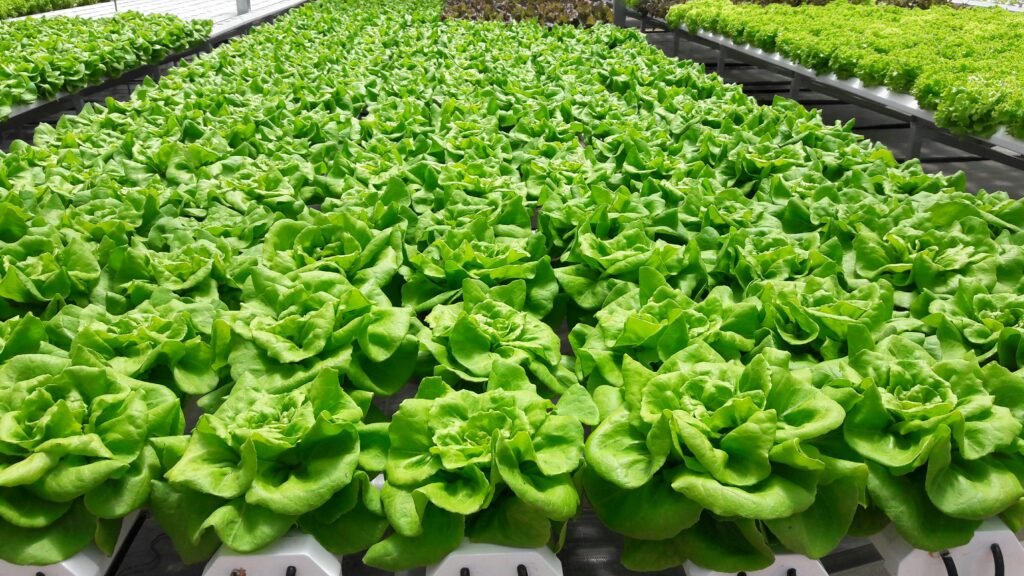
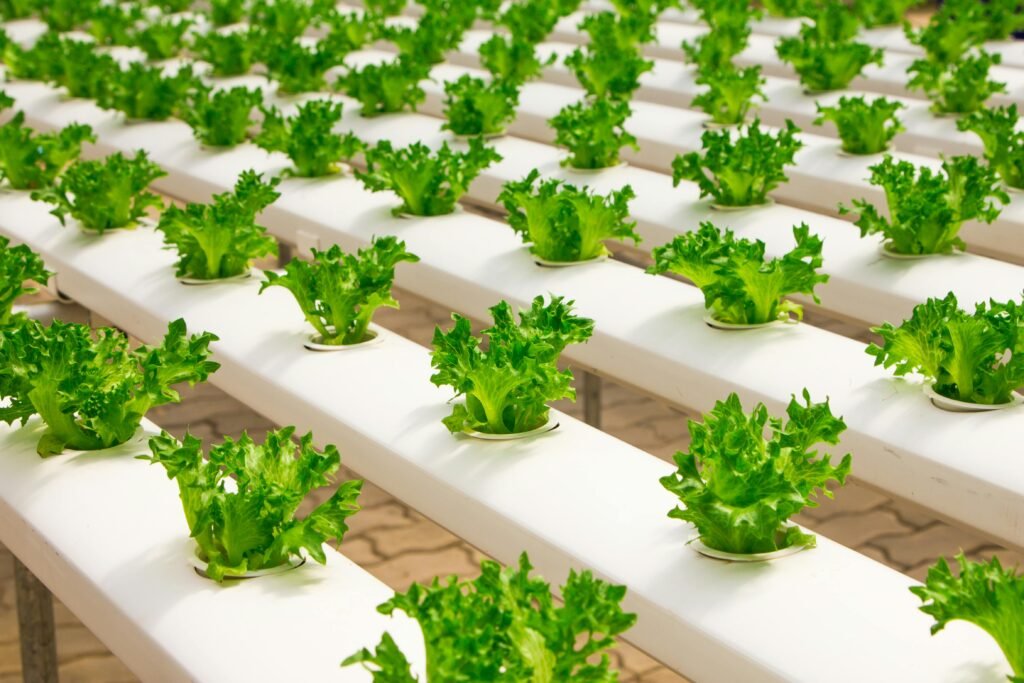
Vertical Farming. One of the most dramatic innovations reshaping food systems is vertical farming — growing crops in stacked indoor layers, with precisely controlled light, temperature, humidity, water, and nutrients. The vertical farming market is expected to reach between $15 and $19 billion by 2026. The efficiency gains are staggering: a 2025 analysis by the United Nations Development Programme found that controlled environment agriculture can reduce water use by more than 90% compared to conventional farming. Crops grow year-round regardless of climate. There is no drought, no flooding, no pesticide runoff. In cities where food supply chains are long and fragile, vertical farms can produce fresh food locally, reducing transportation costs and spoilage.
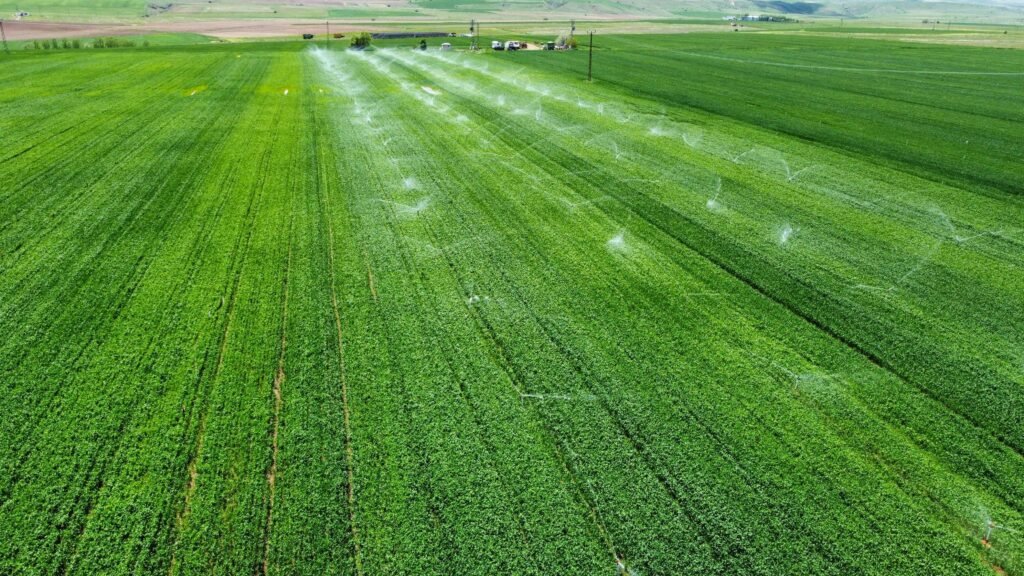
AI-Powered Precision Agriculture. Artificial intelligence is transforming the efficiency of farming at every scale. A 2025 study published in Nature Sustainability demonstrated that AI-driven precision agriculture systems can substantially reduce both fertilizer use and carbon emissions by adapting recommendations to immediate, field-specific conditions. AI systems analyze satellite imagery, soil sensors, weather forecasts, and historical data to tell farmers exactly where, when, and how much to water, fertilize, or intervene — eliminating waste and maximizing yield. For smallholder farmers in Sub-Saharan Africa and South Asia, mobile-based AI tools are extending these capabilities to farmers with smartphones but no access to agronomists.
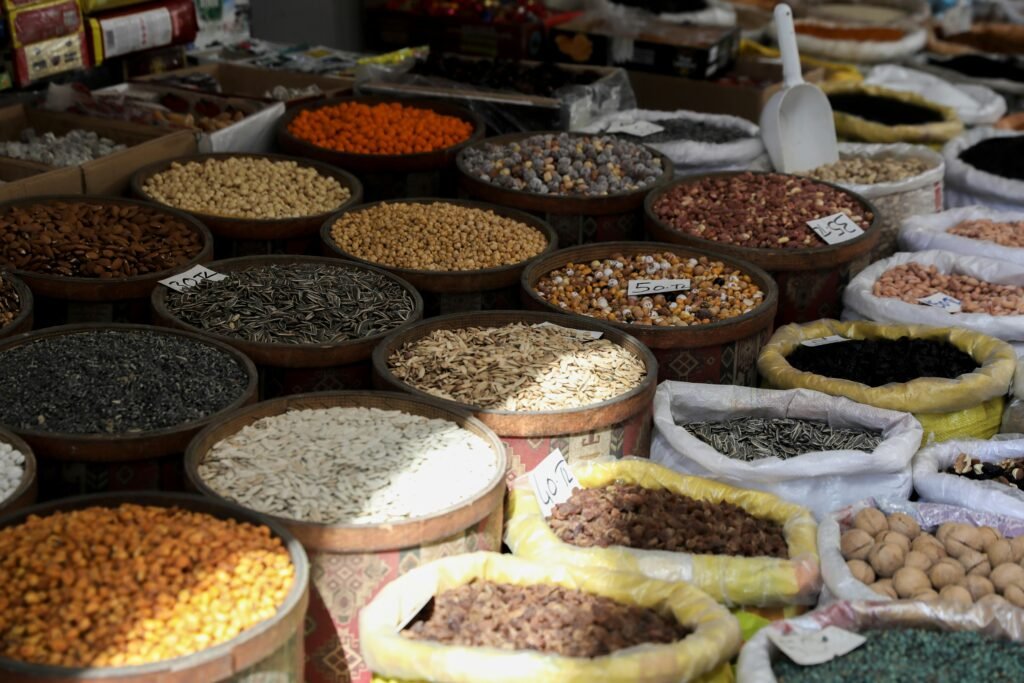
Climate-Smart Seed Varieties. A generation of new crop varieties — developed through both traditional breeding and modern biotechnology — is being deployed in the most climate-vulnerable regions. Ethiopia has expanded the use of heat-tolerant wheat crops to boost domestic production and reduce dependence on imports. In Sub-Saharan Africa, drought-resistant maize varieties have allowed farmers to maintain harvests through conditions that would have caused total crop failure a decade ago. CGIAR — the global agricultural research network — is working across 35 countries to develop and scale climate-resilient crop varieties tailored to the specific conditions of vulnerable farming communities.
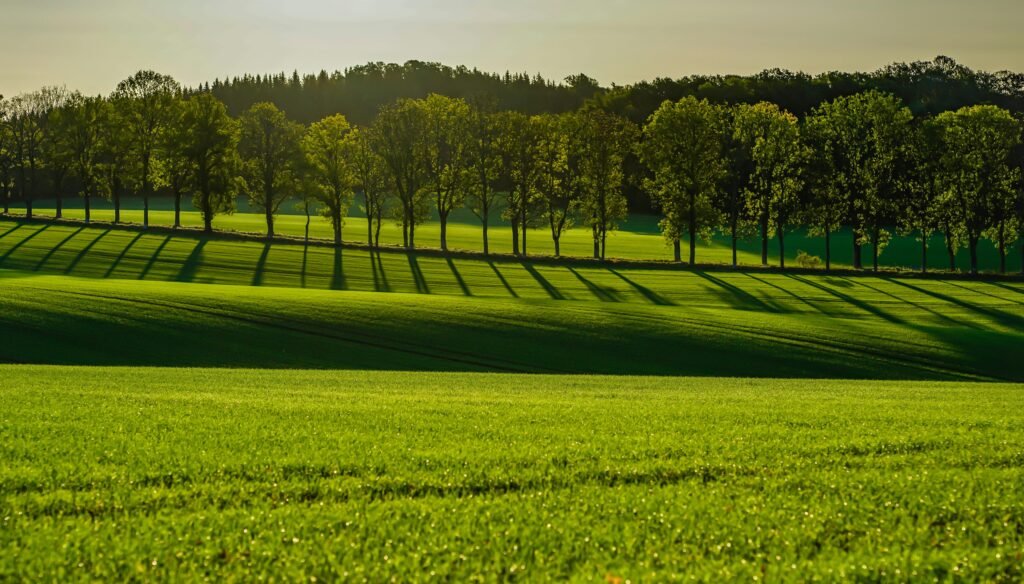
Agroforestry and Silvopasture. Research confirms that integrating trees into farming systems — known as agroforestry — delivers extraordinary benefits. Pastures with trees can sequester five to ten times more carbon than treeless areas of the same size. Trees protect livestock from extreme heat, provide more nutritious forage, and ensure food supply during hot, dry conditions when grasses fail. Diversifying crops and including trees on farmland also creates new income sources. The potential scale is significant: expanding silvopasture to around 770 million hectares globally could help farmers realize financial gains of up to $2.36 trillion from revenue diversification.
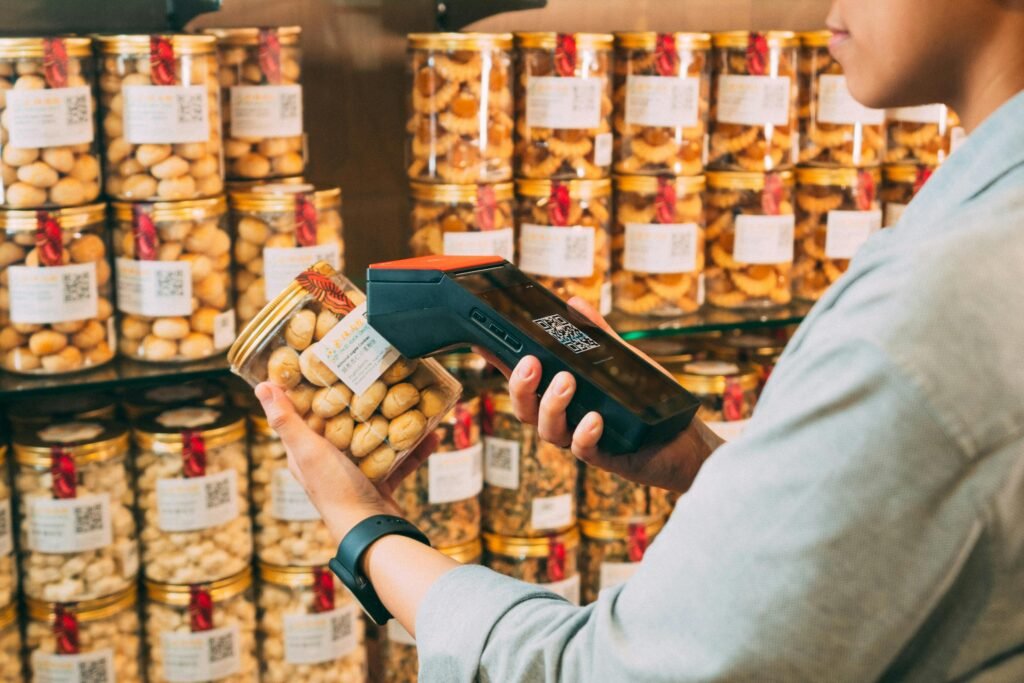
Blockchain for Food Traceability. Ghana — the world’s second-largest producer of cocoa — has implemented a nationwide cocoa tracing system that tracks each cocoa bean from farm to port. This technology allows buyers in Europe and North America to verify the sustainability of their supply chains, enables farmers to command premium prices for certified sustainable produce, and creates powerful incentives for the adoption of regenerative farming practices. Similar traceability systems are being developed for coffee, palm oil, and soy — commodities whose conventional production has driven enormous deforestation and land degradation.
Human Stories — The Farmers Rebuilding the World
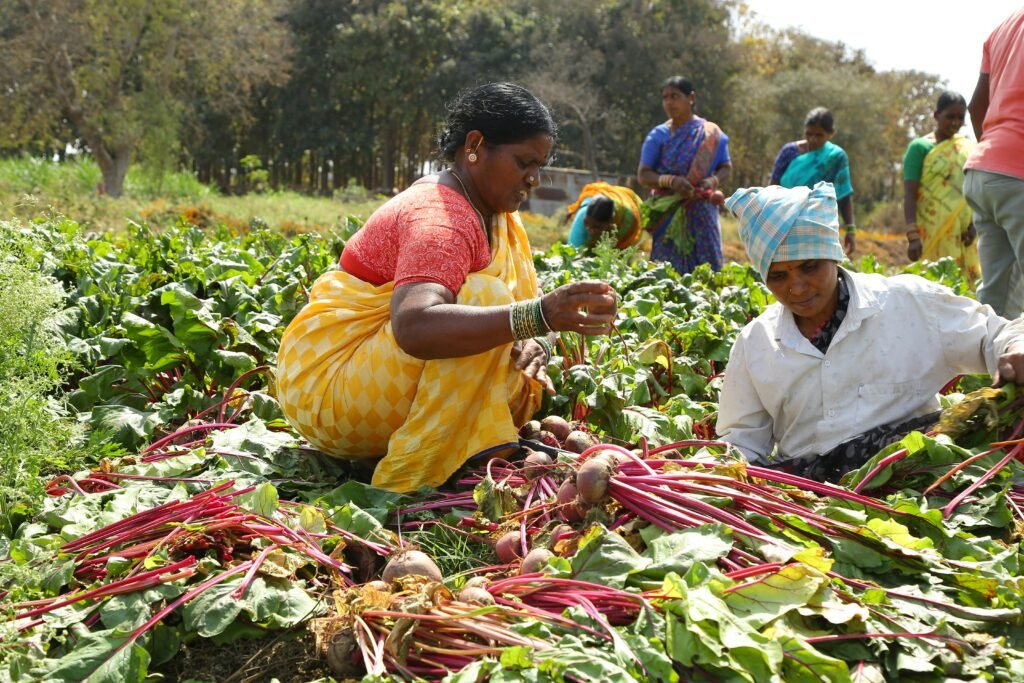
In Andhra Pradesh, India, a movement of smallholder farmers is doing something that seemed impossible two decades ago: growing food without a single chemical input, on degraded land that conventional agriculture had written off — and producing yields that rival or exceed their chemical-using neighbors. The Zero Budget Natural Farming movement, which spread across millions of Indian farmers before being scaled by organizations like Ryss, is based on the principle that nature itself provides everything a farm needs — if the farmer learns to work with it rather than against it.
In Kenya, the African Population and Health Research Centre is leading a project called “Restoring Nairobi to a Place of Cool Waters” — transforming Kenya’s capital into a greener, food-secure city by combining urban farming, watershed restoration, and community food systems. It is a model that links food security, climate adaptation, biodiversity, and community wellbeing into a single integrated vision.
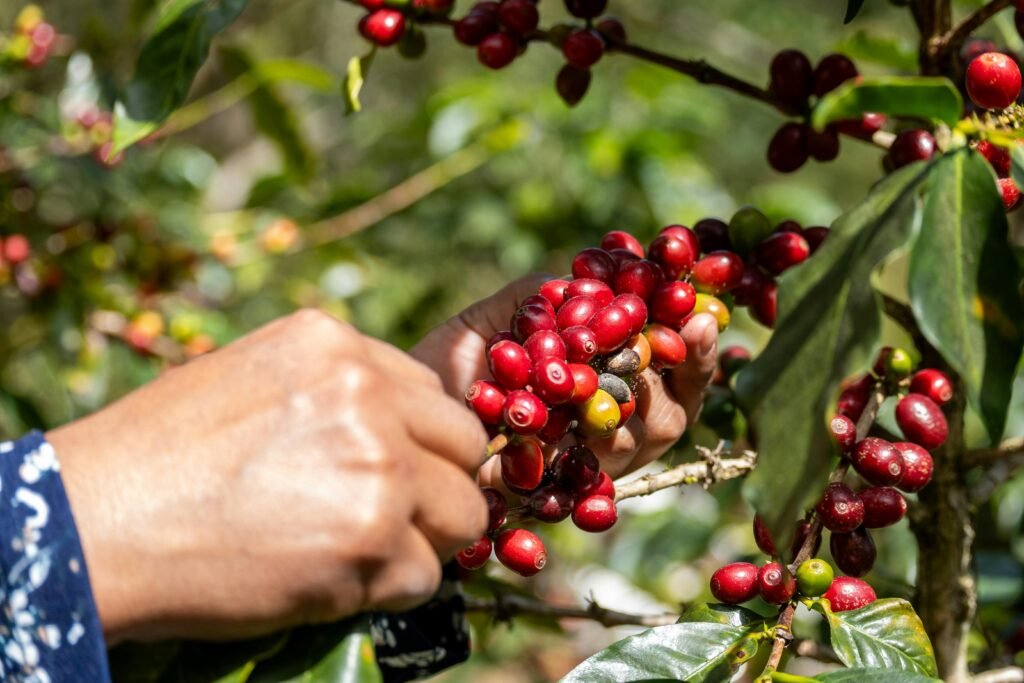
In Colombia’s coffee highlands, farmers who once struggled with the boom-and-bust cycles of commodity coffee are discovering that agroforestry systems — where coffee grows beneath a canopy of diverse fruit, timber, and nitrogen-fixing trees — produce more resilient harvests, better flavor profiles that command premium prices, and landscapes that feel alive in a way that monoculture plantations never did.
In Vietnam, a coffee farmer partnering with Nestlé’s regenerative sourcing program increased his coffee farm’s yield from two to nearly three tons per acre after attending Nestlé’s farmer training programs — while simultaneously reducing his chemical inputs and building the soil health of his land for the next generation.
In West and Central Africa, women and youth are leading forest and land restoration efforts that simultaneously rebuild degraded ecosystems and create sustainable livelihoods. As the Global Landscapes Forum’s work in Ghana, Zambia, and Côte d’Ivoire shows, when local communities — and especially women — are placed at the center of agricultural transformation, the results are more durable, more equitable, and more deeply rooted in the land.
These are not isolated success stories. They are proof of concept, demonstrated at scale, that a different kind of food system is possible — one that produces enough food for everyone, builds the natural systems it depends on, and creates dignified livelihoods for the farmers who do the work.
The Hope — From Crisis to Transformation
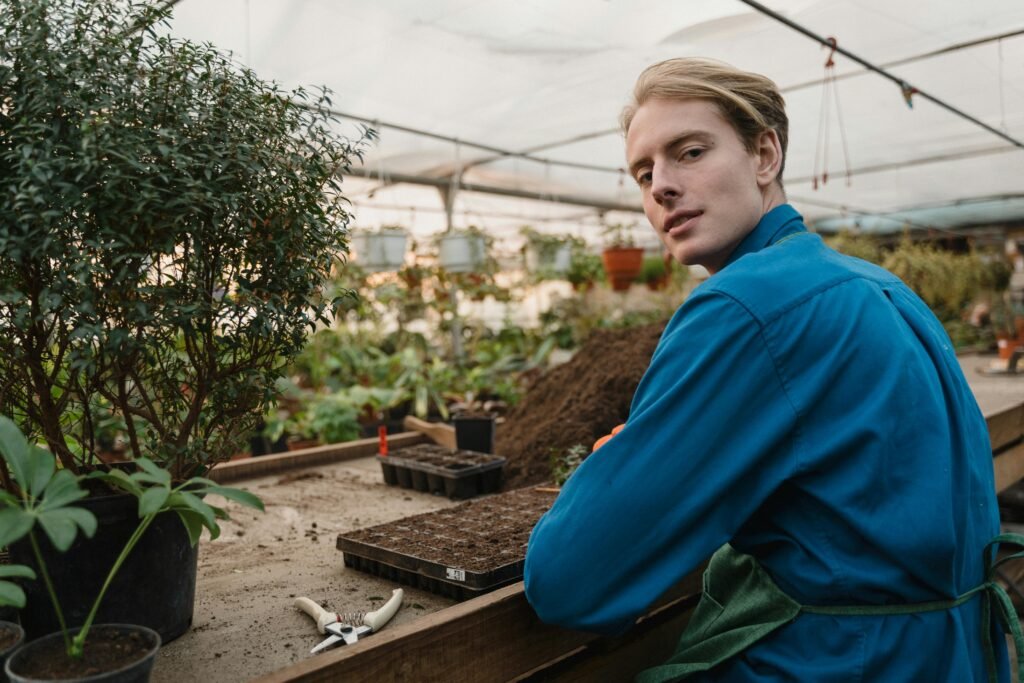
The timing of this transformation could not be more urgent. The Global Report on Food Crises 2026, released this week, is explicit: without a sustained push to address the structural drivers of hunger, the world’s most fragile countries will continue to bear a disproportionate share of the global hunger burden well into the future.
But the report also contains something rare in the annals of hunger reporting: a section explicitly titled “pathways for hope.” The WFP’s 2026 Global Outlook recognizes that while 318 million people face acute hunger, solutions exist — and are being scaled. The organization aims to assist 110 million people in 2026, with investments split across emergency response, resilience building, and tackling the root causes of hunger.
The World Economic Forum projects that agriculture will create 35 million additional jobs by 2030 — one of the largest employment surges worldwide. Regenerative agriculture, with its emphasis on skilled land stewardship, local knowledge, and ecological observation, is particularly well placed to provide meaningful employment that connects young people to the land in ways that industrial farming never could. Only 6.5% of farm managers in the European Union are under age 35 — a crisis of agricultural succession that regenerative approaches, with their emphasis on innovation, technology, and purpose, may be uniquely suited to address.
The Food Tank network, heading into 2026, highlights 126 food and agriculture organizations around the world that are building the regenerative food system of the future — from Black-led food collectives fighting food apartheid in Tennessee to research institutes scaling agroecological farming across 35 African countries. These organizations represent a movement: diverse, locally rooted, globally connected, and growing.
The economic logic is shifting too. As climate disruptions make conventional supply chains increasingly fragile, as consumers demand greater transparency, and as soil degradation makes industrial yields increasingly unsustainable, regenerative agriculture is moving from the ethical fringe to the strategic center of global food systems thinking.
Conclusion: The Soil Beneath Our Feet
There is a fact about soil that should change the way we think about food, farming, and the future. A single teaspoon of healthy soil contains more living organisms than there are people on Earth. This invisible community of bacteria, fungi, protozoa, and nematodes is the true foundation of agriculture — the engine that converts sunlight and water into food, that sequesters carbon from the atmosphere, that filters and cleans the water we drink.
Industrial agriculture has been mining this community for generations, treating the soil as a warehouse rather than a living ecosystem. Regenerative agriculture is the recognition that we have been wrong — and the commitment to make it right.
The hunger crisis of 2026 is real, and it demands an urgent response. Emergency food aid, conflict resolution, and humanitarian investment are all necessary. But they are not sufficient. The only lasting solution to food insecurity is a food system that works with the planet rather than against it — that builds soil rather than depletes it, that captures water rather than wastes it, that rewards farmers for the health of their land rather than just the volume of their yield. That system is being built, one farm at a time, by innovators and smallholders, by corporations making long-term commitments and governments investing in the future. It is not yet complete. It is not yet at the scale the crisis demands. But it is real, it is growing, and it is pointing toward the only future worth building — one where every child has enough to eat, and the land that feeds them grows richer with every harvest.
This article is part of the World Challenges series, exploring the most pressing global challenges of our time and the solutions being built to meet them. Next in the series: Child Malnutrition vs. Simplified Treatments.
Sources & Further Reading:
- World Food Programme Global Outlook 2026 (wfp.org)
- Global Report on Food Crises 2026 — Global Network Against Food Crises (April 24, 2026)
- UN News: Two-thirds of Global Hunger Concentrated in 10 Conflict-Hit Countries (April 2026)
- Al Jazeera: Global Hunger Report Warns of Rising Malnutrition (April 24, 2026)
- World Bank: Food Security Update (April 2026)
- USDA: Regenerative Pilot Program Launch (December 2025)
- World Economic Forum: Why the Food Industry Must Embrace Regenerative Agriculture (September 2025)
- World Economic Forum: Upskilling and Regenerative Agriculture for Younger Farmers (October 2025)
- Nestlé: Regenerative Agriculture and Food Systems (2025)
- Food Tank: 126 Food and Agriculture Organizations to Watch in 2026 (December 2025)
- ReadMagazine.com: What Is Vertical Farming and How It’s Revolutionising Food Production in 2026
- ScienceDaily: Vertical Farming to Increase Yields and Reduce Environmental Impact (May 2025)
2 thoughts on “Regenerative Farming and the Future of Food Security”